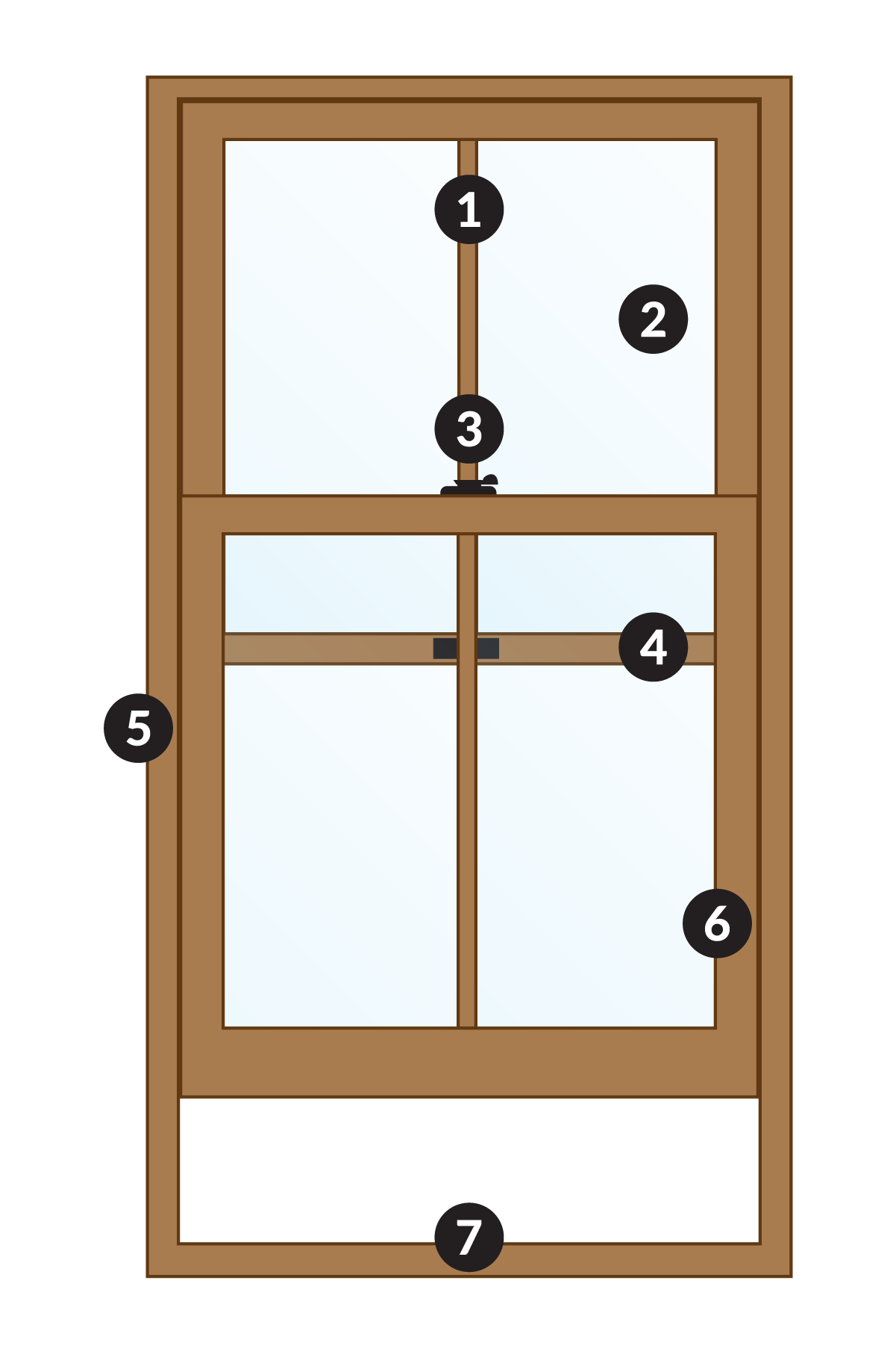
In most cases, the enormous cost of replacing windows can be avoided by fixing individual pieces. Talk with us, and we’ll diagnose your issue and whether it can be repaired or should be replaced. Our more than 15 years of experience in windows often helps our customers save thousands.
CLI (Clean, Lube, and Inspect)
Our Clean, Lube, and Inspect (CLI) service ensures your windows operate smoothly and last longer. We open each window to thoroughly clean all surfaces, including frames, hardware, and weatherstripping. Moving parts are lubricated for effortless operation, and we inspect for any issues—worn hardware, misaligned or bulging frames, and areas of friction that could lead to wear and future rot damage. This proactive maintenance helps prevent costly repairs and keeps your windows in top shape.
Common Window & Door Issues
The most common window and door problems that we’ve fixed over the years are listed below. If you’re dealing with one or more, or don’t see your issue listed here, chances are we can fix it for you.
Out of Square
The unit hasn’t been installed correctly in its space or the unit has shifted causing it to drag on frame.
Seal Failure
The space between the glass panes is cloudy with condensation.
Heaving
Parts of the frame are bulging out of place usually due to the home settling
Leaking or Drafty
Poor installation means water is seeping in or weather strip has degraded letting in air.
Sliding Door Issues
The rollers or track need cleaning or replacement.
Stuck or Hard to Move
The unit is difficult to operate when opening and closing.
Rotting Sash or Frames
The frame is rotting but the rest of the unit is fine.
Broken Hardware
The hardware needs to be replaced without replacing the full window.
Broken Glass
The glass is damaged but the frame is fine.
Door Won’t Close
The hinges need adjustment or the unit has warped.
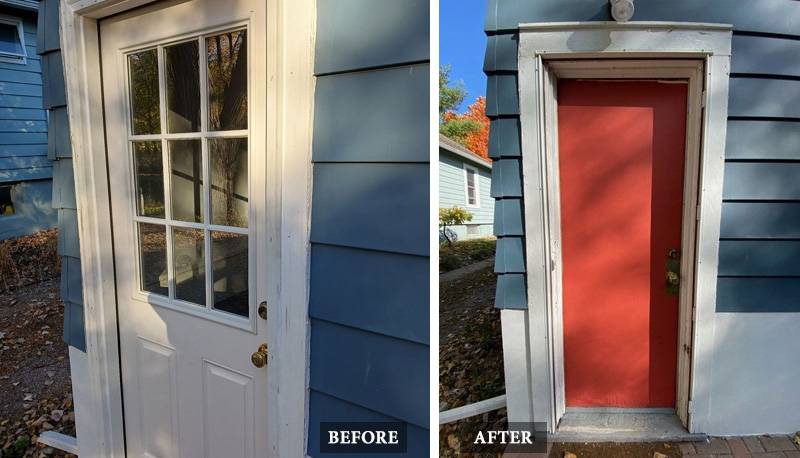
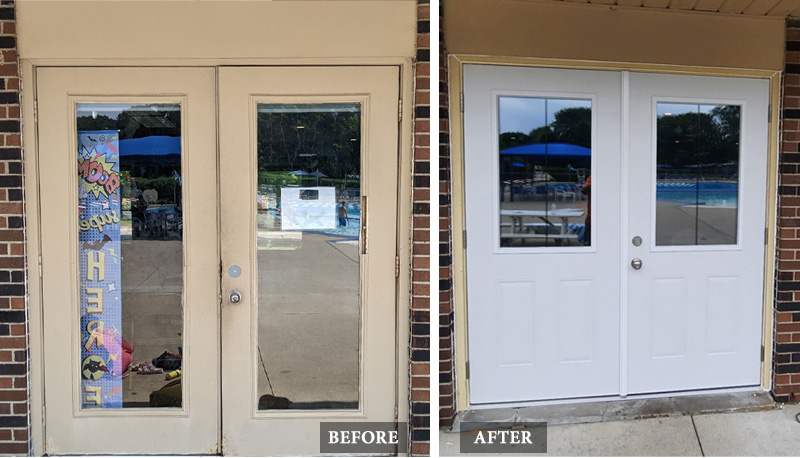
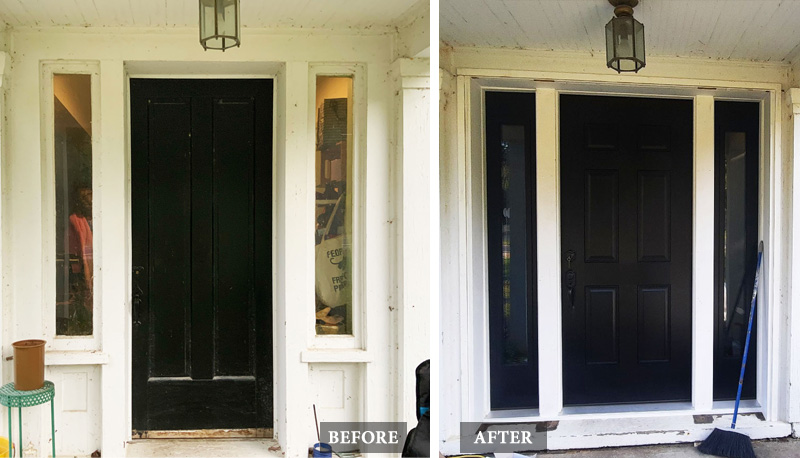
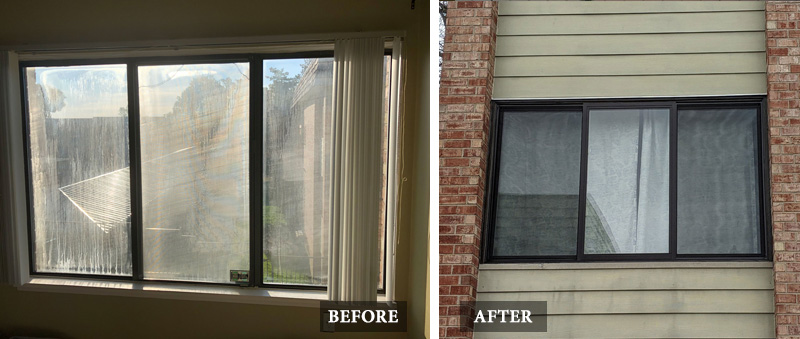
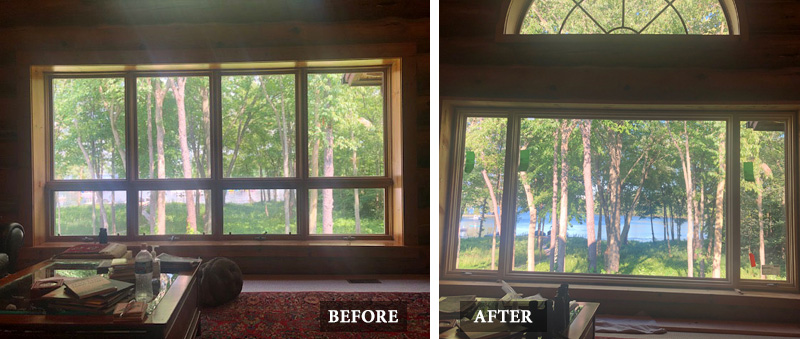
Before and After Gallery
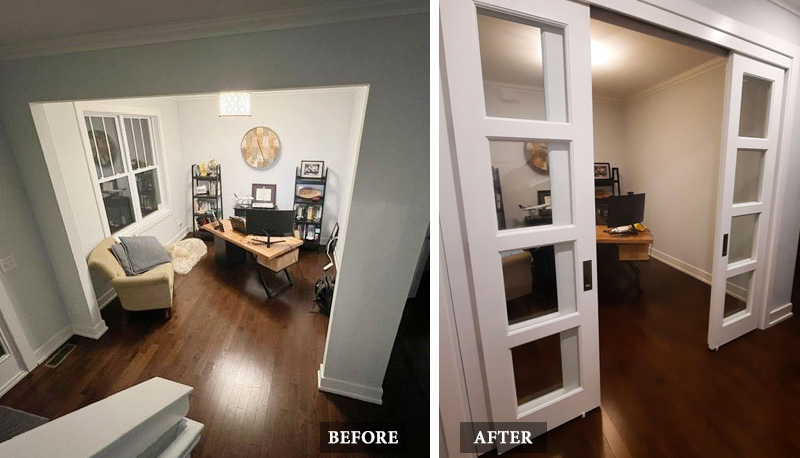
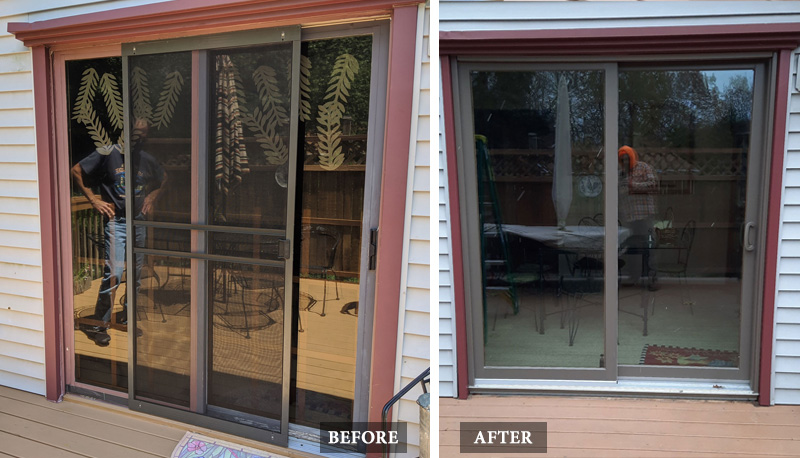
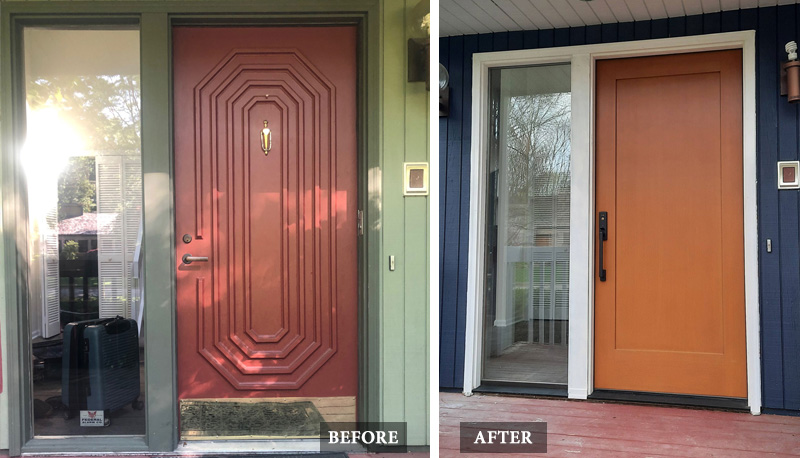
See the transformation of before and after photos of our finished projects. We work to turn worn-out windows into beautiful, functioning features in your home.