
When windows or doors start showing signs of wear, homeowners often face the same question: should they be repaired or replaced? While replacement may seem like the obvious answer, it isn’t always the most practical or cost-effective solution.
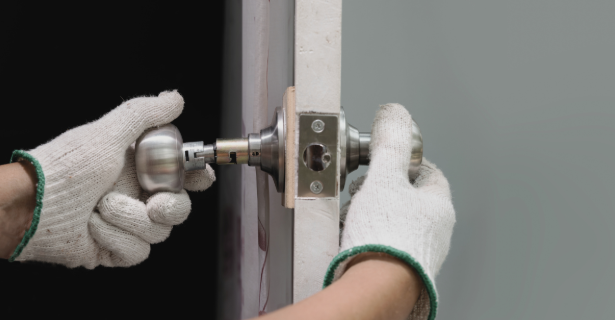
Many common window and door issues can be addressed through repair. Drafts, foggy glass, sticking windows, and doors that won’t close properly are often caused by worn components, misalignment, or failing seals — not complete system failure. In these cases, repairs can restore functionality and comfort without the expense and disruption of full replacement.
Understanding the difference starts with an honest assessment. The age of the window or door, the condition of the frame, and the extent of the damage all play a role. If the structure is sound and the issue is isolated, repair or preservation may be the smarter path. If deterioration is widespread or safety is compromised, replacement may make more sense.
Repair-first approaches offer several benefits. They preserve the character of the home, reduce waste, and often save homeowners thousands of dollars. Repairs also tend to be faster and less invasive, making them ideal when you want results without a major renovation.
Replacement, on the other hand, can be the right choice when efficiency has significantly declined or when windows and doors have reached the end of their lifespan. The key is knowing when replacement adds real value — and when it’s unnecessary.
A professional evaluation helps remove the guesswork. Rather than defaulting to replacement, a skilled assessment focuses on what will actually solve the problem long-term. The goal is not to sell a bigger project, but to recommend the right solution.
If you’re dealing with window or door issues this winter, start with an evaluation. Understanding whether repair, preservation, or replacement makes the most sense allows you to make an informed decision — one that balances comfort, cost, and longevity.