
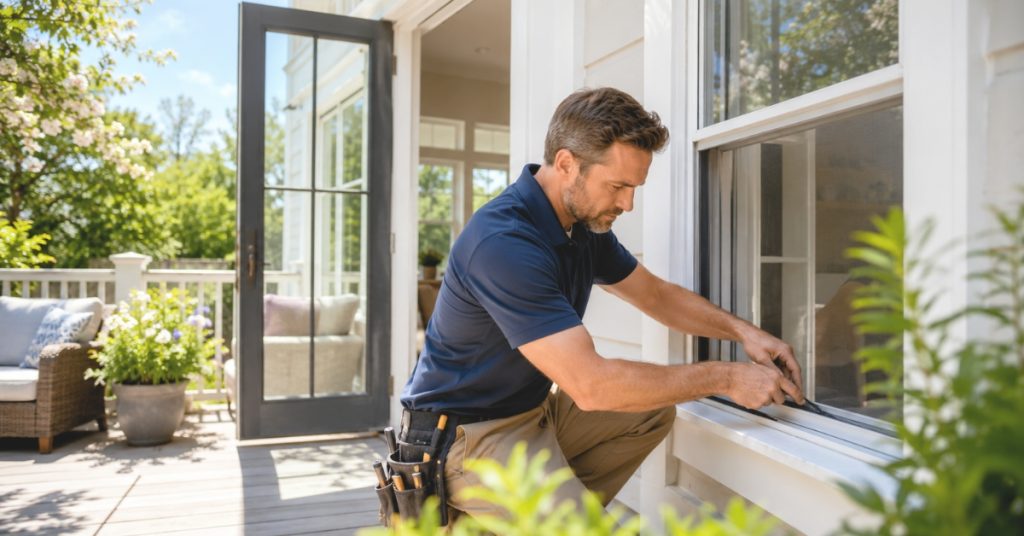
When a window or door stops working properly, the problem is not always obvious at first glance. A window that will not open may have a sash issue, a balance problem, swelling, old paint, damaged hardware, or frame movement. A door that will not close correctly may be reacting to worn hinges, a latch that no longer lines up, weatherstripping that has compressed, or a frame that has shifted over time.
That is why a proper assessment matters. The goal is not simply to look at the symptom. The goal is to understand what is causing it and what condition the surrounding components are in. Without that step, it is easy to overcorrect, undercorrect, or recommend a solution that does not fully solve the problem. A little investigation upfront can save time, money, and frustration later.
A good window or door assessment should start with operation. Does the unit open and close smoothly? Does it stick, rub, drag, or rattle? Does it stay open or closed the way it should? From there, the fit should be reviewed. Small gaps, uneven reveals, or areas where the sash or door meets resistance can point to alignment issues. Sealing should also be checked carefully, especially if the homeowner has noticed drafts, leaks, or comfort problems.
Hardware is another important part of the picture. Hinges, rollers, tracks, latches, locks, balances, and weatherstripping all affect performance. When one component wears down, the entire window or door can feel like it is failing. In some cases, addressing the right part can make a significant difference.
Glass and surrounding materials should also be reviewed. Fog between panes, damaged glazing, cracked wood, failed seals, and worn trim all tell a story about the condition of the unit and the options available. The same is true for water stains, soft spots, loose joints, or areas where paint is failing repeatedly. These details help separate a surface-level issue from a deeper performance problem.
The homeowner’s goals matter too. Some people want to preserve the character of an older home. Others are focused on comfort, smooth operation, energy efficiency, or long-term planning. A thoughtful recommendation should take those goals into account.
At Sill & Hinge, the best solutions begin with careful assessment. Before deciding what should happen next, it is worth understanding what is working, what is not, and what can be done to help the home perform better.